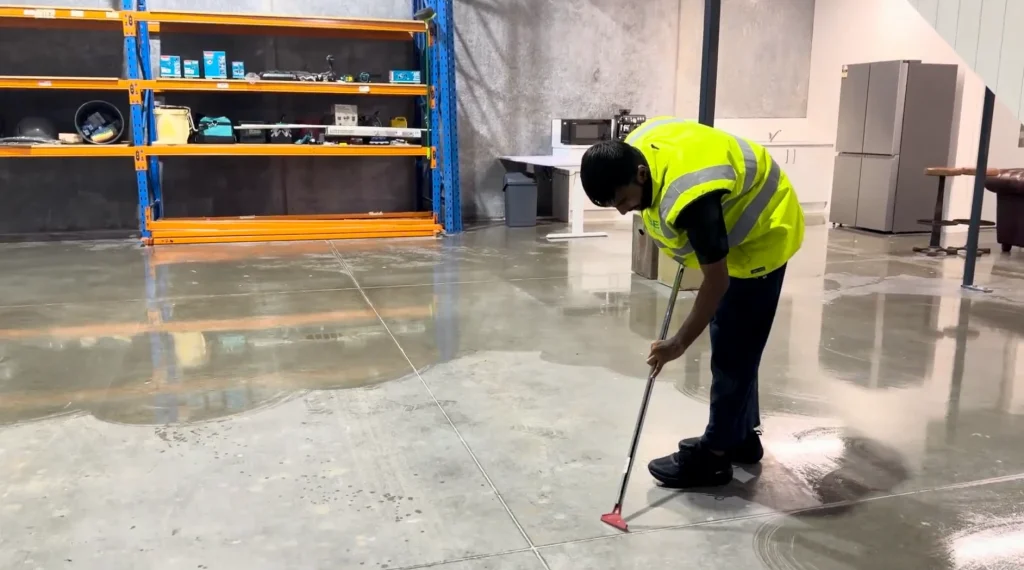
Tiles are strong, practical, and easy to maintain when they are cleaned the right way. The problem is that many people wait until dirt, soap scum, grease, and grime have already settled into the surface. By then, simple wiping is not enough.
If you want to know how to clean tiles properly, the first thing to understand is this: tiles and grout do not get dirty in the same way. Tiles usually collect surface dirt. Grout absorbs moisture, residue, and stains because it is more porous.
That is why a good tile cleaning routine needs two parts. You need to clean the tile surface, and you need to treat the grout lines carefully.
At Best4ever, we help homeowners and businesses keep tiled areas clean, fresh, and presentable through professional tile and grout cleaning. This guide explains how to clean tiles safely, remove grime, and prevent buildup from coming back too quickly.
Why Tiles Get Dirty So Quickly
Tiles often look clean from a distance. Up close, they can hold dust, oils, soap residue, food spills, hard water marks, and cleaning product buildup.
Bathroom tiles usually collect soap scum, body oils, shampoo residue, and moisture stains. Kitchen tiles often collect grease, food splashes, and sticky grime. Outdoor tiles may hold mud, dust, algae, and weather marks.
The type of grime depends on where the tiles are located.
A bathroom floor needs a different approach from a kitchen splashback. A tiled office entry also needs different care compared with a shower wall.
This is where many people go wrong. They use one cleaning method for every tiled surface. That can lead to poor results or even damage.
What You Need Before Cleaning Tiles
Before you start cleaning, collect the right supplies. You do not need harsh chemicals for normal tile cleaning.
You will usually need warm water, mild dish soap, a bucket, a soft cloth, a mop, a soft brush, a grout brush, baking soda, white vinegar, and clean towels.
For glossy tiles, use a soft cloth or sponge. For textured tiles, use a soft brush to reach the small grooves.
Avoid steel wool, metal brushes, and abrasive pads. These can scratch tiles and damage the finish.
Also avoid using too much cleaner. More product does not mean better results. Too much soap can leave a sticky film that attracts more dirt.
How to Clean Tiles Step by Step
Start by removing loose dust and dirt. Sweep or vacuum the tiled area before adding water.
This step matters. If you mop over loose dirt, you can spread it across the floor and push it into grout lines.
Next, mix warm water with a small amount of mild dish soap. Use a mop or cloth to clean the surface.
Work in small sections. This gives you better control and stops dirty water from drying on the tiles.
For wall tiles, wipe from top to bottom. For floor tiles, start at the far end of the room and work toward the exit.
After cleaning, rinse the area with clean water. This removes soap residue.
Finally, dry the tiles with a clean towel or microfiber cloth. Drying helps prevent water spots and streaks, especially on glossy tiles.
How to Clean Bathroom Tiles
Bathroom tiles need regular attention because moisture makes grime worse.
Soap scum forms when soap mixes with minerals in water. It can leave a cloudy layer on tiles, especially around showers and baths.
To clean bathroom tiles, spray the surface with warm water first. This helps loosen residue.
Then apply a mild cleaning solution. Let it sit for a few minutes, but do not let it dry completely.
Scrub gently with a soft brush or sponge. Pay attention to corners, edges, and grout lines.
Rinse well with clean water.
If the tiles are still cloudy, the issue may be mineral buildup. White vinegar can help on many ceramic or porcelain tiles, but it should not be used on natural stone.
Natural stone tiles such as marble, limestone, and travertine can react badly to acidic cleaners. For those surfaces, use a stone safe cleaner.
If you also have glass surfaces in the bathroom, Best4ever has a helpful guide on how to clean shower glass that can help you manage the full shower area.
How to Clean Kitchen Tiles
Kitchen tiles often collect grease. This makes them feel sticky and dull.
For kitchen floor tiles, start by sweeping or vacuuming. Then mop with warm water and mild detergent.
For greasy wall tiles or splashbacks, use warm soapy water and a soft cloth. Let the solution sit for a few minutes before wiping.
Do not use a soaking wet cloth near power points or appliances.
If grease is heavy, repeat the process rather than using harsh chemicals immediately. A second clean with warm water often works better than scrubbing aggressively.
For stubborn kitchen buildup, baking soda can help. Mix baking soda with a little water to form a paste. Apply it to the dirty area, leave it briefly, then scrub gently and rinse.
Never leave residue behind. Any leftover paste or soap can attract more grime.
How to Clean Grout Lines
Grout is usually the hardest part of tile cleaning.
Even when tiles look clean, dirty grout can make the whole area look old and neglected.
To clean grout, make a paste using baking soda and water. Apply it directly to the grout lines.
Use a grout brush or soft toothbrush to scrub gently.
Let it sit for a few minutes, then rinse with clean water.
For extra cleaning power on ceramic or porcelain tile areas, you can apply a small amount of white vinegar over the baking soda paste. It will fizz. After the fizzing stops, scrub and rinse well.
Do not use vinegar on natural stone surfaces.
Also avoid using bleach too often. Bleach can lighten stains, but it does not always remove the dirt causing them. Repeated bleach use may also weaken grout over time.
If grout is deeply stained, professional cleaning may be the better option. Best4ever provides specialised tile and grout cleaning services for homes and businesses that need a deeper result than normal household cleaning can provide.
How to Remove Heavy Grime From Tiles
Heavy grime usually builds up in layers. One quick wipe will not remove it.
Start by applying warm water to soften the dirt. Then use a mild cleaner and let it sit for five to ten minutes.
Scrub with a soft brush. Do not press too hard. Let the cleaner and brush do the work. Rinse the area thoroughly. If grime remains, repeat the process.
For floor tiles, change the mop water often. Dirty mop water is one of the main reasons tiles look dull after cleaning. If the water in the bucket looks grey, it is already too dirty to keep using.
For textured tiles, grime often sits inside small grooves. A flat mop may not reach these areas properly. Use a soft brush and clean in small sections.
How to Clean Tiles Without Damaging Them
Tile damage usually happens because people use the wrong cleaning product.
Ceramic and porcelain tiles are usually durable, but they can still become scratched or cloudy from abrasive cleaners.
Natural stone tiles need more care. Acidic products can etch the surface and leave permanent marks.
Always check the tile type before using vinegar, lemon juice, strong bathroom cleaners, or descaling products.
If you are unsure, test the cleaner in a small hidden area first.
Do not mix cleaning chemicals. Mixing products such as bleach and ammonia can create dangerous fumes.
Keep the cleaning method simple. Warm water, mild soap, careful scrubbing, rinsing, and drying are enough for many tile surfaces.
How Often Should You Clean Tiles
High traffic areas need more frequent cleaning.
Kitchen and bathroom tiles should usually be cleaned weekly. Shower tiles may need wiping more often because of moisture and soap residue.
Entry tiles should be swept often to stop grit from scratching the surface.
Commercial spaces may need daily or scheduled cleaning, depending on foot traffic.
For businesses, clean tiles are not just about appearance. They affect hygiene, safety, and first impressions. Best4ever offers commercial cleaning for workplaces that need consistent presentation and professional cleaning standards.
How to Prevent Grime From Coming Back
Prevention is easier than deep cleaning. Wipe spills quickly. Sweep floors often. Use mats at entrances. Rinse bathroom tiles after showers when possible.
Keep rooms ventilated. Moisture encourages mildew and makes grime stick faster. Avoid using too much soap when mopping. Soap residue creates a film that catches dirt.
Dry wet areas after cleaning. This is especially important in bathrooms and laundries.
Sealing grout can also help reduce staining. Grout sealer creates a protective barrier that makes cleaning easier. It does not make grout stain proof, but it can slow down absorption.
Common Tile Cleaning Mistakes
The biggest mistake is using dirty water. If you mop with dirty water, you are spreading grime instead of removing it.
Another mistake is skipping the rinse step. Cleaner left on tiles can dry into a dull film.
Scrubbing too hard is also a problem. It can damage grout and scratch some tile finishes.
Using the wrong cleaner is another risk. Vinegar may be useful on some surfaces, but it is not safe for natural stone.
Ignoring grout is also a mistake. Clean tiles with dirty grout still look unclean.
Good tile cleaning is not about force. It is about using the right method for the surface.
When to Book Professional Tile Cleaning
Some tile problems need more than home cleaning.
If grout lines remain dark after scrubbing, grime may be deeply embedded. If tiles still look dull after rinsing, there may be product buildup. If large tiled areas take too long to clean properly, professional equipment can save time and improve results.
Professional tile cleaning is useful for bathrooms, kitchens, rental properties, offices, shops, and commercial sites.
It can also be helpful before moving out of a property. If you are preparing for a rental inspection, you may also need end of lease cleaning to make sure the entire property is cleaned properly.
Best4ever provides cleaning support for residential and commercial properties, including tiled floors, grout lines, bathrooms, kitchens, and other high use areas.
Final Thoughts
Learning how to clean tiles properly saves time, protects surfaces, and keeps your property looking better for longer.
Start with loose dirt removal. Use warm water and mild cleaner. Scrub gently. Rinse properly. Dry the surface. Treat grout separately when needed.
Do not rely on harsh chemicals or aggressive scrubbing. That is usually where damage starts.
For everyday cleaning, simple methods work well when done consistently. For deep grime, stained grout, or larger tiled areas, professional help can deliver a much better result.
Best4ever offers reliable cleaning services for homes, offices, commercial properties, and rental spaces. To speak with our team or request a quote, visit our contact page today.