Leather is durable, stylish, and long lasting, but it needs the right care. Many people damage leather by using too much water, harsh chemicals, or aggressive scrubbing. If you want to know how to clean leather safely at home, the key is to use gentle methods, test first, and avoid anything that can strip natural oils from the material.
Leather is not the same as fabric. It can absorb moisture, react to chemicals, and dry out if treated incorrectly. A safe cleaning method protects the surface while removing dust, body oils, light stains, and everyday dirt.
This guide explains how to clean leather furniture, leather upholstery, leather chairs, and similar household leather items using careful steps.
Understand the Type of Leather First
Before cleaning, check what type of leather you have. Different leather finishes respond differently to cleaning.
Finished leather is the most common type used on sofas, chairs, car seats, and home furniture. It usually has a protective coating, which makes it easier to clean.
Unfinished leather, suede, and nubuck are more delicate. These materials absorb moisture quickly and can stain easily. They should not be cleaned with the same method used for finished leather.
If you are unsure, check the care label or manufacturer instructions. If the item is valuable, old, heavily stained, or delicate, it is safer to use a professional service such as Best4ever’s leather and upholstery cleaning service.
What You Need to Clean Leather at Home
You do not need strong chemicals to clean leather safely. Strong products are usually the problem.
Use simple and gentle supplies.
You will need a soft microfiber cloth, a vacuum with a soft brush attachment, mild soap, clean water, a dry towel, and a leather conditioner suitable for your leather type.
Avoid bleach, ammonia, alcohol based sprays, abrasive pads, laundry detergent, strong dishwashing liquid, and general household cleaners. These can dry, fade, or damage leather.
Step 1: Remove Dust and Loose Dirt
Start by removing loose dust and dirt from the leather surface.
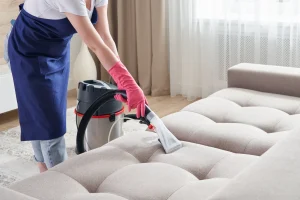
Use a dry microfiber cloth to wipe the leather gently. For sofas or chairs, use a vacuum with a soft brush attachment to clean seams, corners, and creases.
This step matters because dirt particles can scratch leather when rubbed with a wet cloth. Removing dry debris first makes the rest of the cleaning process safer.
If you are cleaning a full room or preparing your home for a deeper clean, you may also want to explore Best4ever’s residential cleaning services.
Step 2: Do a Spot Test
Never apply a cleaning solution to the whole leather surface without testing first.
Choose a hidden area, such as the back of a sofa, under a cushion, or a lower side panel. Apply a small amount of your cleaning solution with a soft cloth.
Wait for the area to dry. Check for colour change, fading, rough texture, water marks, or surface damage.
If the leather reacts badly, stop immediately. Do not continue with the same cleaner.
A spot test is one of the most important steps in learning how to clean leather because it prevents visible damage.
Step 3: Make a Gentle Cleaning Solution
For finished leather, mix a small amount of mild soap with clean water.
The solution should be very light. You do not need heavy foam. You only need enough soap to help lift surface dirt.
Dip a microfiber cloth into the solution, then wring it out well. The cloth should be damp, not wet.
Too much water can soak into leather and leave marks. It can also weaken the material over time.
Step 4: Wipe the Leather Gently
Use the damp cloth to wipe the leather in small sections.
Do not scrub. Do not press too hard. Use light circular motions or gentle straight strokes.
Focus on areas where body oils and dirt collect, such as armrests, headrests, seat cushions, and high touch areas.
After wiping each section, use a clean damp cloth with plain water to remove any soap residue. Again, the cloth should be only slightly damp.
Soap residue left on leather can attract more dirt and make the surface feel sticky.
Step 5: Dry the Leather Properly
After cleaning, dry the leather with a soft towel.
Do not use a hair dryer, heater, or direct sunlight to speed up drying. Heat can dry out leather and may cause cracking.
Let the leather air dry naturally in a well ventilated room.
Good drying is important because trapped moisture can create stains, odours, or surface changes.
Step 6: Apply Leather Conditioner
Once the leather is clean and fully dry, apply a suitable leather conditioner.
Conditioner helps maintain flexibility and reduces the risk of dryness and cracking. Use a product made specifically for leather.
Apply a small amount with a soft cloth. Spread it evenly and avoid overusing it. Too much conditioner can leave the surface greasy or attract dust.
Always follow the product instructions and test it in a hidden area first.
How to Clean Leather Stains Safely
Different stains need different care. The wrong method can make the stain worse.
For fresh spills, blot immediately with a clean dry cloth. Do not rub. Rubbing spreads the liquid and pushes it deeper into the leather.
For light dirt marks, use the gentle soap and water method described above.
For grease or oil marks, blot the area with a dry cloth. Do not add water straight away. Some oil stains may fade over time, but deep grease marks often need professional treatment.
For ink stains, avoid experimenting with alcohol or harsh cleaners. These may remove the leather dye along with the ink. Ink should usually be handled by a professional.
For water marks, wipe the full panel lightly with a barely damp cloth to even out the appearance, then dry gently. Do not soak the area.
If the stain is large, old, dark, or on expensive furniture, contact a professional cleaner. Best4ever provides leather and upholstery cleaning for homeowners who want safer cleaning results without risking damage.
How Often Should You Clean Leather?
Leather should be dusted regularly and cleaned lightly when needed.
For normal household use, wipe leather with a dry microfiber cloth once a week. Vacuum seams and gaps every few weeks.
A deeper clean can usually be done every few months, depending on use. Homes with pets, children, or heavy daily use may need more frequent care.
Conditioning is usually needed every 6 to 12 months, but this depends on the leather type, climate, sunlight exposure, and product instructions.
Do not overclean leather. Too much cleaning can wear down the protective finish.
Common Leather Cleaning Mistakes to Avoid
One major mistake is using too much water. Leather is not designed to be soaked.
Another mistake is using harsh cleaning sprays. Products made for kitchens, bathrooms, and glass are not suitable for leather.
People also damage leather by scrubbing stains aggressively. Scrubbing can remove colour, damage the finish, and create shiny patches.
Skipping the spot test is another risk. Even mild cleaners can react badly with certain leather finishes.
Using the wrong conditioner can also cause problems. Some oils and homemade treatments may darken leather or leave sticky residue.
Can You Use Vinegar on Leather?
Some people recommend vinegar for leather cleaning, but it should be used with caution.
Vinegar is acidic and may affect the finish or colour of some leather. It can also dry out the material if used too often or too strongly.
For general home cleaning, a mild soap and water solution is usually safer for finished leather. Always test first.
If the leather is delicate, stained, or valuable, avoid home experiments and use professional help.
Can You Steam Clean Leather?
Steam cleaning is not usually recommended for leather at home.
Steam uses heat and moisture, both of which can affect leather. It may dry out the material, damage the finish, or cause moisture problems.
If leather furniture needs deep cleaning, professional leather cleaning is a better option. Professionals can assess the material and use methods suitable for the surface.
For other areas of the home, such as carpets, tiles, windows, and end of lease cleaning, Best4ever offers a full range of professional cleaning services.
How to Keep Leather Cleaner for Longer
Good maintenance helps reduce the need for heavy cleaning.
Keep leather away from direct sunlight where possible. Sunlight can fade colour and dry the surface.
Avoid placing leather furniture too close to heaters or air vents. Heat can reduce natural moisture and cause cracking.
Clean spills quickly. The longer a spill sits, the harder it becomes to remove.
Use throws or covers on high use areas if needed, especially in homes with pets or children.
Dust regularly so dirt does not build up in seams and creases.
If you also want to improve the cleanliness of nearby surfaces, Best4ever has helpful guides on how to clean windows, how to clean shower glass, and how to clean an oven.
When to Call a Professional Leather Cleaner
Home cleaning is suitable for light dust, minor dirt, and general upkeep.
Professional cleaning is better when leather has deep stains, ink marks, grease marks, unpleasant odours, heavy soil, mould concerns, colour fading, cracking, or delicate finishes.
It is also the smarter choice for expensive furniture or leather that you cannot afford to damage.
Best4ever provides professional cleaning services for leather and upholstery, helping protect your furniture while improving cleanliness and appearance. You can learn more through the leather and upholstery cleaning page.
Final Thoughts
Learning how to clean leather safely starts with understanding that leather needs gentle care. Remove dust first, test in a hidden area, use a lightly damp cloth, avoid harsh chemicals, dry the surface properly, and condition when needed.
The safest approach is simple and careful. Do not rush the process. Do not soak the leather. Do not scrub stains aggressively.
For light cleaning, you can often maintain leather at home with the right method. For difficult stains, delicate leather, or valuable furniture, professional support is the better choice.
Best4ever can help with leather and upholstery cleaning, carpet cleaning, window cleaning, end of lease cleaning, and other cleaning services. To ask a question or book a service, visit the contact us page.